Trends for influencer partnerships for SMBs in Germany
Stay ahead in the game! Learn about the hottest trends in influencer partnerships for SMBs in Germany and how to leverage them for success.
If you’re running a small or mid-sized business in Germany, you’ve probably noticed that influencer marketing isn’t what it used to be. What we see more often is real connections between brands and creators. For SMBs, this is great news: Influencer partnerships in Germany are evolving into a space where they can stand out with their authenticity.
And today, we will explain this topic. Let’s take a look at the top influencer partnership trends shaping how German SMBs connect, grow, and sell.
Why influencer partnerships matter for German SMBs right now
German consumers are cautious buyers. They don’t jump at ads; they compare, research, and read reviews before clicking add to cart. That’s exactly why influencer partnerships work so well here. People trust other people more than polished campaigns. It’s not because they have fancy equipment, but rather because their followers know them, often personally.
This is especially true in the DACH market, where credibility matters more than charisma.
But let’s talk about specifics. For SMBs, influencer partnerships in Germany bring three big wins:
- Local trust. Collaborating with creators from your own region adds authenticity to every post.
- Targeted reach. You speak directly to the people most likely to care about your product.
- Budget flexibility. Instead of paying thousands for one big name, you can build relationships with smaller influencers who create lasting impact.
Now, let’s explore the trends defining how small businesses shape these partnerships today.
Trend #1: The rise of micro and nano partnerships
Micro and nano influencers are a smart alternative to big celebrities. These creators usually have between 1,000 and 50,000 followers, often from a very tight-knit community. And that’s exactly what SMBs need: focus and relevance.
A small coffee roaster in Berlin doesn’t need a mega influencer from Los Angeles. It needs a local food blogger whose audience actually lives nearby, buys coffee, and loves discovering new cafés. With them, brands can run small, targeted collaborations that reach people in their city, not across random continents.
Also, nano influencers (especially the ones who share everyday moments) bring unmatched authenticity. Their content feels like a friend’s recommendation, not an ad.
The result? Higher engagement, better conversion, and long-term connections with the audience.
Tip: If you’re starting out, test collaborations with two or three micro influencers. Track what works. Engagement above 3% is a good sign, and you’ll quickly see which partnerships bring both visibility and community growth.
Trend #2: Authentic storytelling over polished campaigns
Gone are the days when influencers had to look flawless. Today, authenticity sells more than aesthetics. German audiences want to see real people using real products — in their kitchens, offices, or workouts.
This shift is one of the most powerful influencer partnership trends: Followers spot fake enthusiasm instantly, and they reward honesty. Thus, instead of pushing scripted slogans, let influencers share how your product fits naturally into their lives.
For example, a handmade soap brand from Hamburg can collaborate with an influencer who films her morning routine. When she explains why she prefers a small eco-friendly brand, her followers believe it. That’s genuine influence.
So if you’re an SMB building influencer partnerships in Germany, skip the perfect brief. Give guidelines, yes, but let creators speak in their own tone.
Trend #3: Local and regional influencer partnerships grow stronger

Germany is a patchwork of cultures, accents, and local habits — and that’s exactly what makes regional influencer marketing so powerful.
Regional creators know what their followers care about. They understand local humor, slang, and even seasonal preferences. Examples:
- A fashion boutique in Munich might work with a creator who covers Oktoberfest-inspired looks.
- Or a bakery in Cologne might team up with a food vlogger who reviews regional sweets.
That kind of localization is strategic.
This approach also supports Germany’s growing preference for local products and transparent supply chains. When your influencer lives nearby, your brand feels closer to them.
Our view: Among all influencer partnership trends, localization might be the one most aligned with how German customers shop — carefully and consciously.
Tip: Start small. Find regional influencers through hashtags like #BerlinFood or #MunichFashion and see whose tone matches your brand voice.
Trend #4: Long-term collaborations replace one-off posts
One post doesn’t build trust. It creates a spark, sure, but the flame dies fast. That’s why small businesses are shifting toward long-term partnerships — a consistent presence that feels like a friendship, not a transaction.
When an influencer works with the same brand across months or product lines, it feels sincere. People start associating that influencer with the brand — and that recognition is priceless.
To make this work, treat influencers like collaborators. Offer early access to new products, or invite them into small strategy calls. When they feel included, they’ll naturally become brand advocates.
Trend #5: Data and AI tools guide better influencer choices
Influencer marketing used to rely on guesswork. You’d scroll, hope for the best, and pray engagement looked real. But now, AI-powered tools are rewriting that story. For SMBs, that means smarter spending. Instead of guessing, you can match influencers whose followers fit your ideal customer.
But data isn’t everything. Always add a human check before signing a deal. Watch how an influencer talks, interacts, and handles feedback. And once the campaign starts, keep tracking. Measure results by leads, clicks, or real engagement. Over time, you’ll see exactly which partnerships move the needle.
Trend #6: Sustainability becomes a key selection factor
If there’s one thing that defines German shoppers, it’s their eye for sustainability. SMBs that build real sustainability stories attract influencers who actually care about the planet. And an influencer who lives the same values won’t sound like they’re acting.
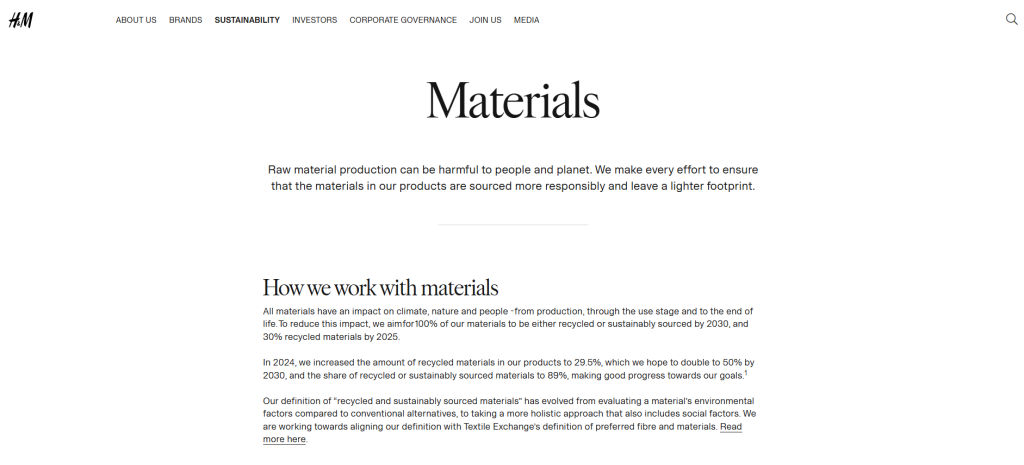
A great example? Fashion brands that use recycled fabrics or vegan materials. When they partner with creators who already promote conscious consumption, the message feels natural. Big brands can use this idea too. Like H&M could highlight that with the proper influencer.
This is one of the most relevant trends for the DACH region because it merges two things Germans love: transparency and responsibility. If your business stands for something good, let your influencer amplify that. Green storytelling travels fast.
Trend #7: Video-first and community-driven content dominates
Scroll through any feed and you’ll see it — short videos everywhere. Reels, Shorts, TikToks, even LinkedIn clips. For SMBs, this trend is a gift. You don’t need a studio or a massive production team. The charm lies in quick, relatable moments. A behind-the-scenes bakery video, a clothing try-on in natural light, a founder explaining their idea in 30 seconds.
Influencer partnerships in Germany thrive on that honesty. Creators build small communities around shared interests, and video brings those communities closer.
The best part?
Video content performs beautifully across all platforms. You can reuse it for ads, websites, or even newsletters.
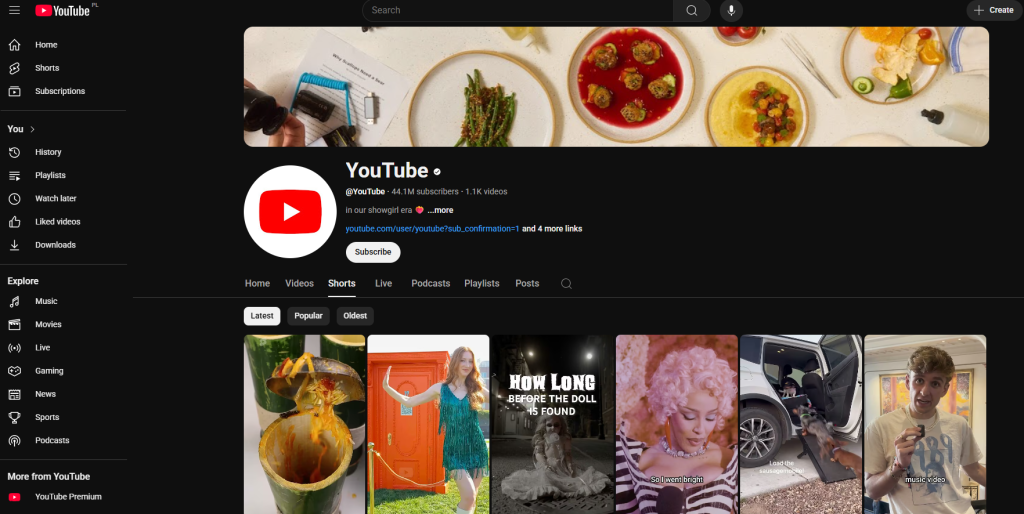
Tip: When building your next collaboration, choose influencers who love to move, talk, and engage. People follow faces, not logos.
Trend #8: Employees and micro-ambassadors step into the spotlight
Some of the strongest influencer partnerships in Germany don’t even come from outside the company. They come from within.
Employees already know your brand inside out. They use your products, understand your values, and can tell real stories. Turning them into micro-influencers is one of the fastest-growing influencer partnership trends for SMBs.
When employees or long-term customers talk about your brand, people listen. And they believe them. That kind of honesty can’t be bought, only earned.
Tip: Ask your team who’s comfortable appearing online. Provide light guidance, not scripts. Over time, your people become your best advocates.
Trend #9: Integration into e-commerce and live selling
Influencers are stepping directly into sales channels. Live shopping, once seen as a quirky experiment, is now a growing retail force.
Imagine an influencer showing how to use your skincare line live, answering questions, and guiding viewers to click buy now. It’s like a digital version of chatting with a shop assistant — only more fun.
And his trend opens huge potential. Platforms like Instagram Live, TikTok Shop, and even YouTube Streams make it easy to host small-scale events. You can demonstrate products, run flash discounts, or co-host with influencers for added energy.
It’s one of the trends where creativity matters more than size. You don’t need 10,000 viewers — 100 engaged ones can still sell out your stock.
Trend #10: Measurable impact and smarter ROI tracking
Followers don’t pay the bills. Conversions do. That’s why small businesses in Germany are moving away from “likes” and chasing real performance data instead: clicks, leads, and sales.
For example, you could switch from one celebrity collaboration to three small creators, and thus spend less, sell more, and finally see who your buyers are.
Tip: Set clear goals — maybe newsletter signups or first-time purchases — and measure them.
Trend #11: Content repurposing becomes a must-have
Influencer-generated content doesn’t have to live and die on one platform. Smart businesses are reusing it across their marketing mix — from email headers to paid ads and website banners.
That short unboxing video? Perfect for an Instagram ad. A review post? Great quote for your homepage. It’s one of the smartest trends because it saves time and builds consistency. Your brand voice stays unified across all channels while keeping things authentic.
When setting up influencer partnerships in Germany, make sure your contract includes repurposing rights. That way, you can turn every great photo or video into multiple touchpoints.
Trend #12: Podcasts and long-form conversations gain traction
Not every message fits into a 15-second clip. Fortunately, podcasts give room to breathe, explain, and connect. More small businesses are joining podcasts as sponsors or co-hosts, using influencers to discuss topics like sustainability, local entrepreneurship, or product education. It’s slower, but it builds depth.
If your audience includes professionals or niche communities, podcasts are golden. An influencer with 5,000 loyal listeners can create more trust than one with 50,000 passive followers.
Yes, you don’t sell fast, but you build recognition. So maybe find podcast hosts who share your values and turn their listeners into your customers.
Trend #13: Shorter campaigns, faster reactions
Speed matters more than ever. Social trends come and go in a week, sometimes a day. That’s why SMBs are shifting toward quick, focused influencer campaigns that follow the moment instead of planning months ahead.
Small teams can react faster than corporate giants. You can spot a rising meme, create a post, and go live the same day. Influencers love that energy. One week it’s a “spring product drop,” the next it’s a “weekend flash deal.” These quick campaigns keep your brand visible without exhausting your budget.
Tip: Test small ideas, see what sticks, and move on. You’ll stay relevant without ever feeling forced.
How German SMBs can start building smarter influencer partnerships
All these influencer partnership trends point in one direction — more creativity, less formality. SMBs have the perfect size to experiment and build real connections.
But… how to start?
- Define clear goals (brand awareness, sales, loyalty)
- Choose influencers who match your niche and tone
- Offer creative freedom
- Track results regularly
And as you know now, reuse that great content, turn small wins into long-term partnerships. Plus, above all, keep it human. After all, that’s what influencer partnerships in Germany are really about – people trusting people.
The recap
The above trends show that audiences now value honesty and shared values more than polished ads. Whether you team up with a local creator, an employee, or a niche podcaster, focus on building something lasting.
Then test, measure, and keep learning from each collaboration. Germany’s market rewards brands that sound real and care about their community.
***