High traffic, low conversions? Here’s what German brands are getting wrong in e-commerce
You’ve cracked the code on traffic. Google Ads are humming, TikTok creators are posting, and your analytics graph looks like the Autobahn on a Friday afternoon. Fast, furious, and non-stop. And yet… sales? They’re stuck in first gear. So what German brands do wrong in e-commerce?
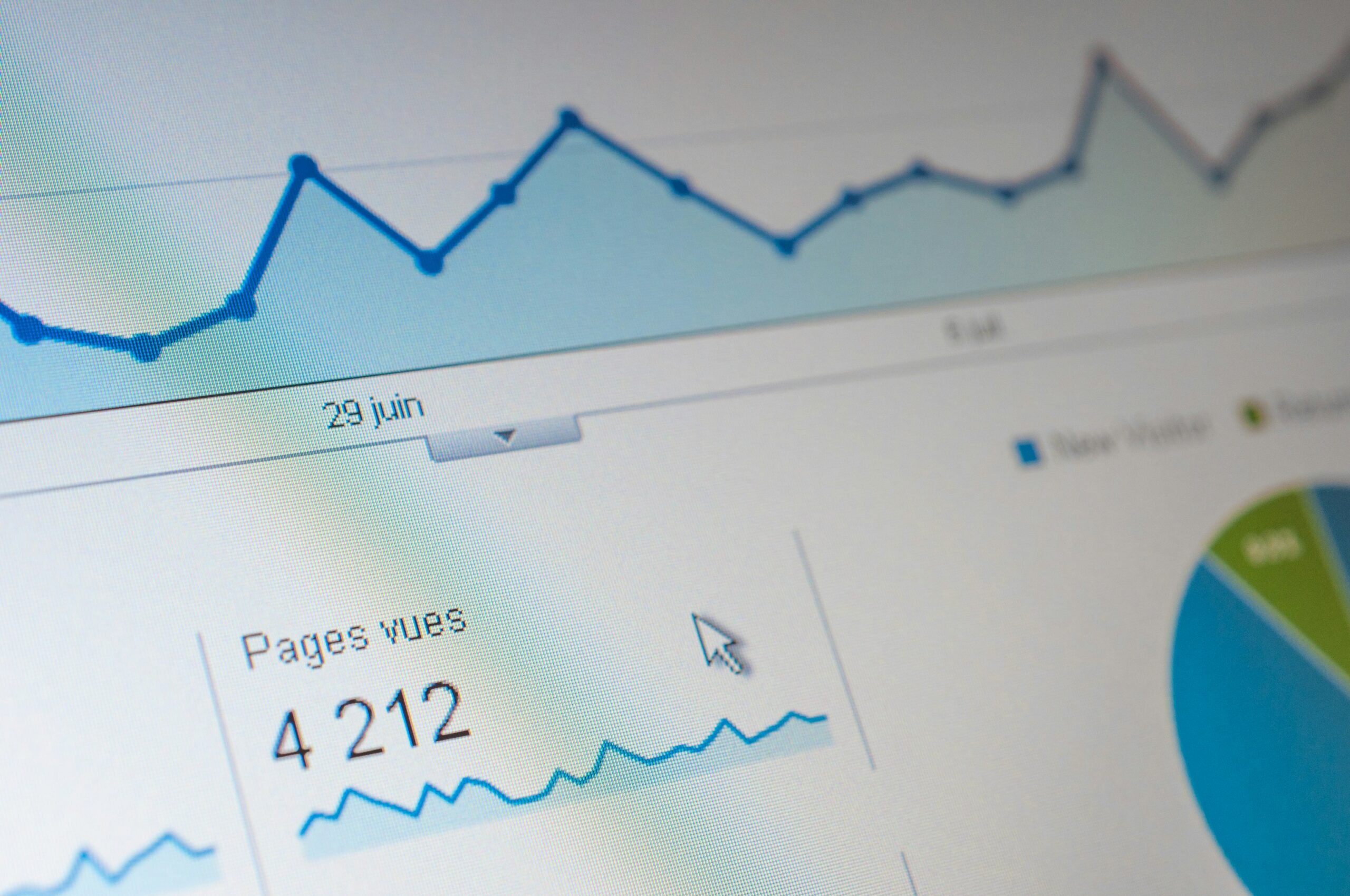
You’ve cracked the code on traffic. Google Ads are humming, TikTok creators are posting, and your analytics graph looks like the Autobahn on a Friday afternoon. Fast, furious, and non-stop. And yet… sales? They’re stuck in first gear. So what German brands do wrong in e-commerce?
Welcome to the great German paradox of e-commerce: plenty of visitors, few buyers. One in four Germans now do almost all their shopping online, spending around €90 a month. That’s higher than the European average.
The demand is there. The appetite is there. So why are so many carts staying empty?
Maybe it’s the “German efficiency” myth biting back. Shoppers expect checkout to run like Deutsche Bahn timetables – precise and predictable. But we all know how that usually ends. Or maybe brands are chasing traffic like Oktoberfest beer mugs: more, more, more, without asking if anyone’s actually thirsty.
The truth? High traffic means nothing if the wrong people are walking through the door, or if the right people walk in and storm back out. Germans don’t browse for fun. They research, compare, and click with intent. Miss the mark, and they’re gone quicker than you can say Sofortüberweisung.
So, what’s really going on?
Five blind spots keep tripping up German e-commerce players. From bot floods in Saxony to checkout trust gaps, we’re about to dissect the habits, the missteps, and the easy-to-fix screw-ups keeping sales stuck.
Because in a market where shoppers still spend despite inflation, there’s no excuse for conversion rates that lag behind.
#1 The wrong-intent traffic trap: selling sausages to vegans
German SEO managers love their rankings. Page one for “Handy”? Drinks all around. But here’s the catch: traffic only matters if it matches intent.
Ranking for “cheap laptops” when you only sell laptop bags is like running a sausage stand in Berlin and discovering everyone in line is vegan.
The data proves it: 72% of Germans compare features and reviews before they buy. They click with precision. If your page headline promises one thing but your product delivers another, they’re gone faster than you can say Sofortüberweisung.
The first fix: Audit your top landing queries. Separate “buy” searches from “learn” ones. Make sure your first screen matches what people actually want. Otherwise, you’ll keep winning the wrong crowd (and losing the right one).
#2 The foyer illusion: where persuasion really happens
Too many brands treat their homepage like a cathedral. Endless polishing, endless testing. But here’s the truth: the decision to buy rarely happens there.
Think of it like a German supermarket. By the time shoppers roll their trolley to the checkout, they already know what they came for. The gum and chocolate at the counter might grab a few impulse bites, but the real shopping decisions happened in the aisles.
It’s the same online. Germans trust search, reviews, and increasingly AI tools. More than half read reviews before purchase, and 40% now use AI search or assistants during the journey. By the time they land on your homepage, they’re already convinced (or they’re not). No banner swap is going to flip them.
So stop obsessing over the digital foyer. Put your energy into the “aisles” -product pages, comparison tools, ads, and reviews – where Germans actually make up their minds.
#3 The Falkenstein problem: when traffic is fake news
Every so often, online forums like Reddit or Shopify light up with the same horror story: “Help! My analytics is on fire. Thousands of visitors from Saxony, specifically Falkenstein. All on desktop. All bouncing. Zero sales.”

It looks like fame, but it smells like spam. This isn’t your brand suddenly becoming the next Zalando. It’s junk traffic: bots, scrapers, or cheap clicks flooding your logs and wrecking your KPIs.

The psychology trick here is nasty. When we see numbers climb, our brain throws a mini Oktoberfest. “Look at the traffic! We’re growing!” Except your conversion rate falls through the cellar, and suddenly your boardroom is asking why marketing “can’t sell in Germany.”
The problem? It’s not real people. Nobody in Falkenstein is queuing up to buy your vegan sneakers or your smart toaster. They’re scripts. Click farms. Crawlers. Dead traffic walking.
So what do you do? Treat it like rats in the cellar: don’t panic, but don’t ignore it.
- Filter suspicious ASNs and IPs in GA4.
- Add light bot checks to forms (yes, even a subtle CAPTCHA on sign-ups).
- Watch your bounce rates by region (if one town looks like Las Vegas in the dashboard, something’s off).
If you don’t clean this noise, every other KPI (cart adds, funnel drop-offs, conversion rate) becomes meaningless. It’s like trying to cook Sauerkraut with half the cabbage already rotten.
High traffic with no conversions isn’t always your fault. Sometimes, it’s just Falkenstein knocking on your door at 2 a.m. with a fake mustache. Block it, move on, and focus on the customers who actually want to buy. It’s one of the answers for what German brands do wrong in e-commerce.
#4 Trust gaps at checkout: where German carts go to die
Germans aren’t impulse buyers. They don’t click “buy now” with blind faith. They interrogate the page like a TÜV inspector checking your car before a road trip. Payment, delivery, returns… If one screw looks loose, the whole deal collapses.
Here’s the data: only 19% of German shoppers say price is their number one reason for buying online. The rest? They’re scanning for home delivery (61%), variety (59%), convenience (58%), easy comparisons (51%). And let’s not forget: clear return policies are non-negotiable. Miss those, and the cart is gone faster than Berliner Luft shots on New Year’s Eve.

What do too many brands still do? Hide delivery times in tiny footnotes. Tuck returns into a PDF that feels like a tax form. Force PayPal-loving Germans into creating accounts before they can even check out. That’s not commerce, it’s sabotage.
The psychology is simple: Germans equate hidden details with hidden risks. A checkout without Klarna, SEPA, or PayPal? Suspicious. Delivery promise without a clear date? Risky. Returns buried three clicks away? Forget it. Trust once broken doesn’t heal – shoppers just leave and never look back.
The fix is brutally obvious: put the trust signals where the decision happens, right next to the price and the buy button.
- Show delivery time (“2–3 Werktage”) upfront.
- Display payment options as badges above the fold.
- Add a visible “kostenloser Rückversand” line near the checkout button.
Because in German e-commerce, checkout is the battlefield where trust wins or the cart dies.
#5 Returning customers: loyalty that hides your wins
Here’s a numbers riddle. You launch a new product page, sharper copy, better images, stronger call to action. It feels like a winner. But in the data? Nothing moves.
The problem isn’t the page, it’s the audience. In Germany, loyalty runs deep. Shoppers who find a brand they like, whether vitamins, razor blades, or pet food, tend to reorder without hesitation. They don’t need persuasion. They need speed. For them, the only question is, “Where’s the reorder button?”
That loyalty creates noise. New-customer uplift gets buried under the reorders. A test that’s actually working looks flat because regular buyers don’t care about copy or layout, they’re clicking out of habit.
The fix: split your data. Track new buyers separately from loyal ones. Measure acquisition on its own. Otherwise, you’ll keep throwing away campaigns that actually win.
Beauty lane vs. speed lane: the Zalando lesson
Every CMO dreams of a site as glossy as a luxury brand. Full-screen videos, fonts approved by Paris designers, layouts that could hang in a gallery. Nice, but dangerous. Because the prettier the page, the harder it is to change.
Look at Zalando. It’s functional, fast-loading, and ruthlessly modular. Product info can shift overnight. Campaigns launch in days, not months. That speed is why they keep climbing.
Now compare with luxury retailers. Every banner swap means approvals, new assets, mobile breakpoints, and a nervous call to IT. By the time a new test goes live, the season has changed. Conversion growth crawls while faster players lap them.
Here’s the thing: Germans don’t reward glossy for glossy’s sake. They reward reliability and clarity. Better to run in the speed lane with modular blocks than get stuck in the beauty lane with a site too fragile to touch.
Category expectations: set the bar where Germans actually shop
Since we are on the topic of what German brands do wrong in e-commerce, it’s good to see some benchmarks, so you can see the case in reality. Everyone wants a “great” conversion rate. But what does that even mean in Germany? Spoiler: it depends on what you sell.
Here’s the reality check. According to ECDB data, German e-commerce conversion rates hover around 3.1–3.3%. Add-to-cart rates sit near 9–10%. Cart abandonment? A brutal 65–70%. And return rates? Around 9%, thanks to the German obsession with trying before buying, especially in fashion.

So if your shoe shop converts at 2.5%, don’t beat yourself up. You’re not failing, you’re competing in a category where half the carts come back like boomerangs. Same with electronics – expect shoppers to compare specs across five tabs before they finally commit. Meanwhile, home & garden stores often see higher conversions, because once someone picks a sofa, they don’t want to repeat the search nightmare.
Here’s the twist: Germans don’t shop like Americans chasing deals. Remember the DooFinder 2025 study? Only 19% of Germans say price is their main reason for buying online. The rest prioritize delivery speed (61%), product variety (59%), and convenience (58%). In other words: if your store nails those, you’re already above average.
The danger is aiming for vanity numbers instead of category-adjusted ones. A fashion shop dreaming of 6% conversion is like Bayern Munich promising to play with only local amateurs – it’s romantic, but doomed.
So, set your KPIs with German shopping psychology in mind:
- Expect cautious, research-heavy decisions.
- Build for returns, don’t treat them as failure.
- Celebrate hitting the benchmarks for your vertical, then climb from there.
Because in DACH, the yardstick isn’t traffic volume. It’s how your numbers stack against the messy, realistic behavior of real German buyers.
Four conversion killers you can fix this week
Some conversion leaks take months to patch. Others are staring you in the face, waiting for a screwdriver. Here are four that haunt German shops, and how to stop them before the weekend.
1. The silent PDP
Your product page should answer two questions right away: Is this right for me? and When will I get it? Too many pages bury shipping times or return info below a fold that nobody scrolls. Germans hate ambiguity. Show the essentials above the price, or watch the cart evaporate.
2. Size and spec roulette
Fashion and electronics top the charts for returns, often above 9%. Why? Because sizing guides look like puzzles and tech specs read like tax law. Germans expect precision. Translate “fits large” into numbers. Translate “long battery life” into hours. Vagueness equals returns.
3. Checkout friction
Nothing kills intent faster than a forced account signup or missing PayPal. In a country where SEPA and Klarna are standard, anything less feels shady. Think psychology: if my preferred payment isn’t there, I assume the shop doesn’t get me. That mistrust kills this order and the next visit too.
4. The ghost after purchase
Too many brands treat checkout as the finish line. Wrong. It’s the beginning of loyalty. Germans want order confirmation, tracking, and predictable delivery. Silence after payment is eerie. One poor experience, and, as PwC found, a third of Germans walk away for good.
None of these fixes require a full redesign. They’re tactical, fast, and measurable. Pick your top ten products, patch these four leaks, and see how quickly carts start surviving the journey.
The 30-day playbook: week by week fixes
The question of what German brands do wrong in e-commerce is still accurate for 2025, and week-by-week fixes can help eliminate the problem.
Conversion isn’t rebuilt overnight, but you don’t need six months either. Give yourself four weeks, a bit of grit, and a calendar that doesn’t keep slipping like Deutsche Bahn’s arrival times. Here’s how to get unstuck fast.
Week 1: Kick out the ghosts
Start by scrubbing your analytics. If Falkenstein traffic is inflating your charts, filter it out. Block the suspicious hosts, tighten form protections, and separate real visitors from bots. Otherwise, you’re making decisions on fake signals.
Week 2: Match the message
Now clean your landing pages. Germans arrive with intent – 72% compare features before buying. If the headline promises one thing and the PDP delivers another, they’re gone. Rewrite the top fold to match the query, not your wishful thinking.
Week 3: Close the trust gap
Delivery, returns, payment. Put them front and center, next to the price and the button. If PayPal isn’t visible, if returns aren’t spelled out, if delivery times feel vague, you’re bleeding sales. Think of it as TÜV for your checkout: pass or fail, no in-between.
Week 4: Ship at speed
Pretty is tempting, but speed is money. Build editable blocks, give one person ADA (authority, duty, ability), and publish small tests every week. Germans respect consistency, so does your conversion curve. Every test is a brick. Stack them fast enough, and you’ve built a staircase.
Follow this four-step sprint and by day 30 you’ll have cleaner traffic, sharper intent matching, higher checkout trust, and a testing engine that actually moves.
Proof in the pudding: what to actually track
Here’s where German brands often slip. They celebrate “traffic growth” like it’s Oktoberfest beer sales – loud, messy, and mostly foam. But foam doesn’t pay bills. The proof lives in a handful of hard metrics.
1. New-buyer conversion rate
Returning customers distort the picture. Segment them out. Track only fresh buyers to see if your campaigns really work. Otherwise, repeat orders drown your wins in noise.
2. Add-to-cart rate on real traffic
Forget vanity sessions. Filter out the Falkenstein ghosts first, then watch how many real shoppers actually add something. It’s the cleanest measure of intent.
3. Checkout success by payment method
In Germany, missing PayPal or Klarna is suicide. Break down completion rates by method. If SEPA lags, you’ve got a trust or UX gap.
4. Refund and return rates
A nine percent return rate might be normal here, but spikes in fashion or electronics scream “info mismatch.” Track by category, then fix descriptions and sizing.
The trick? Build a simple dashboard – GA4, Looker, doesn’t matter. Four tiles. Review them every Monday like clockwork. Because in German e-commerce, the KPIs don’t lie. They tell you exactly where buyers say “ja”… and where they quietly walk away.
Closing: what German brands do wrong in e-commerce
Now you know what German brands do wrong in e-commerce. High traffic without conversions is like serving German beer without bubbles – looks fine in the glass, but nobody’s coming back for a second round.
The truth is simple. Germans aren’t allergic to buying online. One in four now do nearly all their shopping digitally, and almost one in five even plan to spend more this year despite inflation. The appetite is there. The leak is on your side.
Match intent. Block the junk. Put trust signals where shoppers actually look. Ship changes fast instead of polishing banners nobody cares about. Do that, and your “stuck in first gear” conversion suddenly drives like an Autobahn Audi.
Because in this market, it’s not the loudest shop that wins. It’s the one that quietly removes every doubt, friction, and excuse not to buy.
Your traffic is already here. The question is: are you ready to turn it into customers before they march off to someone else?
***